Tainted beef. At age 22, Stephanie Smith was left paralyzed by the simple act of eating a hamburger—a hamburger grilled by her own mother, who had no way of knowing that the frozen American Chef's Selection Angus Beef Patties she had purchased for her family contained a mix of slaughterhouse trimmings and a mash-like product derived from scraps from as far away as Uruguay.
Such severe reactions to food poisoning may be rare, but the industry practices revealed by Smith's story are not. A pound of commercial hamburger contains bits of meat from as many as 400 different cattle, as sustainable foods advocate Marion Nestle has written. The documentary Food, Inc. offers an even higher estimate of up to 1000 cows in a single burger. Gross!
Beef is not the only issue. The Center for Science in the Public Interest recently ranked the 10 riskiest foods in the country, based on the number of food-borne illness outbreaks associated with all foods under FDA regulation. With leafy greens, lettuce, potatoes, tomatoes, sprouts and berries on the list, it seems that even vegetarians aren't immune to the risk of food poisoning. Eggs, tuna, oysters, cheese and ice cream are also in the top ten. (Beef isn't, but it's regulated by the USDA, so wasn't factored into this study. Actually, eggs fall partly under USDA's purview, too. The distinctions can be confusing—maybe this will help, or at least provide a much-needed moment of levity amidst this gloomy discussion.)
The 9 Most Dangerous Meals In America
Together, these 10 foods alone account for nearly 40 percent of all food-borne illness outbreaks linked to FDA-regulated foods since 1990, the report states, adding that because so many cases of food-borne illness go unreported, the outbreaks included here represent only the tip of the iceberg.
As a look at a Google News timeline will show, food safety has been a buzzword for at least a decade now. Unfortunately, the only thing everyone can agree on so far is that we have a problem. Some people are calling for more government involvement in monitoring and enforcing food safety; others want less; some think oversight should be consolidated. Industry groups hope that advances in food science and technology will provide the answers. Many point the blame at our globalized food system, and advocate eating local.Facebook Icon The letter F. Facebook Email icon An envelope. It indicates the ability to send an email. Email Twitter icon A stylized bird with an open mouth, tweeting. Twitter LinkedIn icon LinkedIn Link icon An image of a chain link. It symobilizes a website link url. Copy Link
Angle down icon An icon in the shape of an angle pointing down. Elderberries definitely don't look life-threatening, but don't judge this book by its cover. Khorzhevska/Shutterstock
The 21 Most Dangerous Foods In The World
When it comes to the world's most dangerous foods, you probably think of exotic delicacies that most people will never come in contact with. While a Korean octopus that fights back when you swallow it may fit that criteria, some of the worst food dangers are probably in your fridge or pantry right now.
From poisonous produce to hygienically unsafe dishes, we rounded up the 17 most dangerous foods in the world with some help from Dr. Keith Kantor, nutritionist and CEO of the Nutritional Addiction Mitigation Eating and Drinking program.
Of cherry seeds before it would kill you. The limit for a150-pound human is703 milligrams of hydrogen cyanideper day, according to the National Institute of Health, which issafely hundreds of cherry seeds.
The 17 Most Dangerous Foods To Eat Around The World
Fugu (or pufferfish) is one of the most poisonous foods in the world. Importation to the US is heavily restricted, and only one supplier has been approved by the FDA.
Right, the puffer fish is 1, 200 times more deadly than cyanide, according to National Geographic. It makes those cherry pits look like a walk in the park.
Casu Marzu is a traditional Sardinian cheese that's extra-fermented by live maggots that partially decompose the cheese. Not feeling this one? Neither is the US government. The cheese is banned for sanitary/hygienic reasons.
The World's Most Dangerous Foods [infographic]
Pushing aside the dubious ingredients found inside some brands of hot dogs, hot dogs are notorious in many hospitals as one of the top choking hazards in the kitchen. They're the No. 1 cause of choking-related injuries in children under 3, according to John Hopkins Medicine. So be sure to chew slowly!
Alfalfa sprouts, particularly raw, are an ideal environment for bacteria growth. Numerous foodborne illness outbreaks in recent decades have been associated with the consumption of sprouts, including Salmonella and E. coli, according to the Centers for Disease Control and Prevention.

Sannakji is a raw octopus dish meant to be eaten while it's still squirming. The danger here is that despite the sushi chef killing the octopus before serving it, nerve activity allows it to wriggle still, meaning that their suction cups could attach to your throat as you swallow.According to Food & Wine, six people die every year on average from choking on it.
American' Foods That Are Nasty According To Non Americans
Undercooked or rawshellfishis particularly dangerous because they can absorb microbes/ harmful bacteria from the sea, Dr. Kantor said. They should always be cooked. Beware especially of raw oysters.
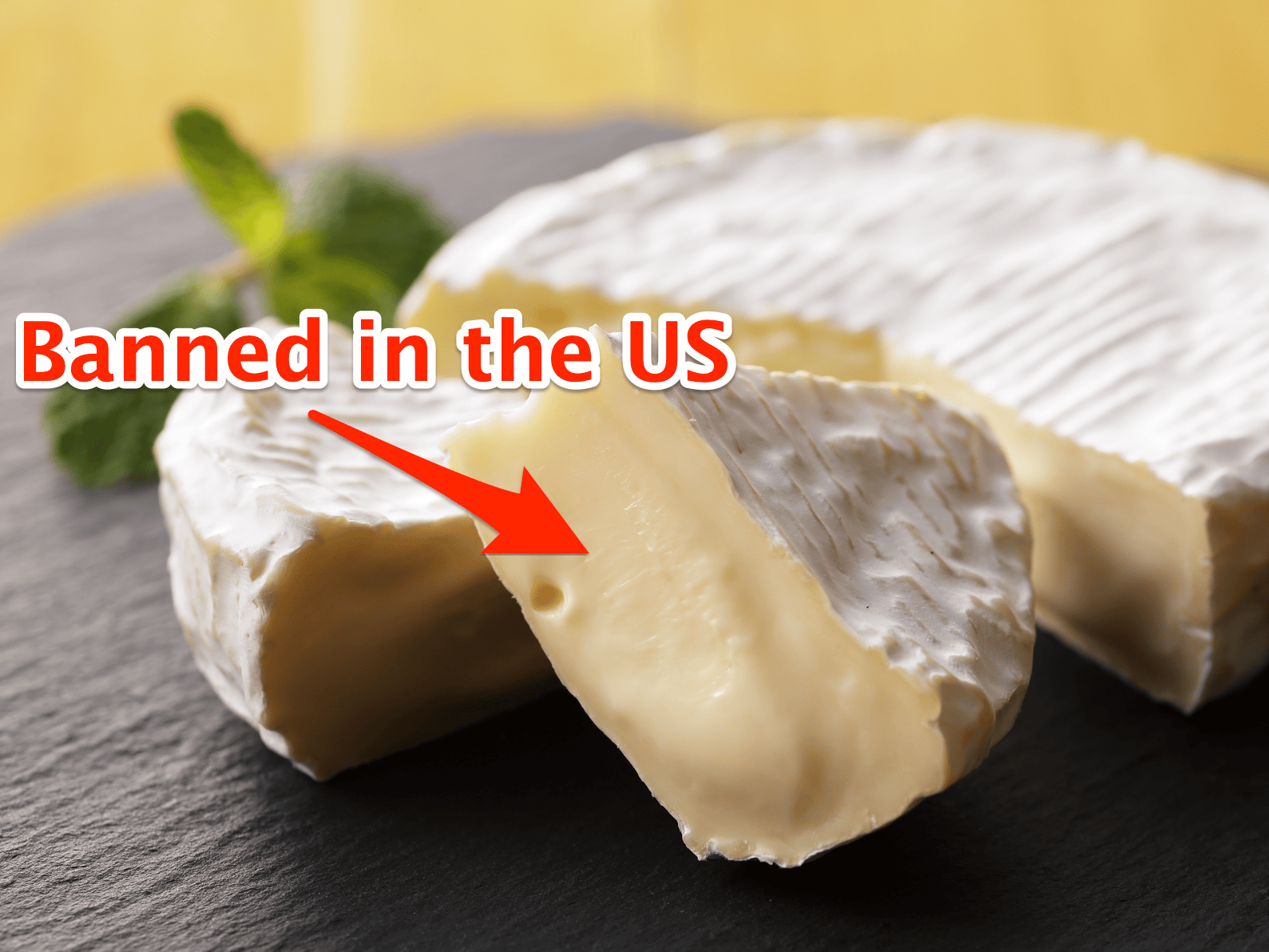
You'll never be able to eat real Camembert cheese in America. Why? Because it's made from unpasteurized, raw milk, according to the FDA, which can contain all manner of harmful pathogens and bacteria that can spread dangerous foodborne illnesses. Raw milk cheese that has not been aged for at least 60 days is banned in America, whether imported or made locally.
Surprised by this one? Bagels are obviously not poisonous, but the starchy breakfast food — just like avocados — is the cause of one of the most common knife injuries in the kitchen. In 2011, an estimated 2, 000 Americans were sent to the ER with bagel-related injuries, according to the US Product Safety Commission.
Americans Are Addicted To 'ultra Processed' Foods, And It's Killing Us
The validity of the claim that unripened green potatoes are poisonous has been debated for some time. It is known, however, that the green tubers or new sprouts of the potato plant contain the dangerous toxin known as solanine and can cause serious illness if consumed in large quantities, according to the UnitedStates National Library of Medicine.
The ackee is a popular Jamaican fruit that is not allowed to enter the United States because it's highly dangerous. When the fruit turns red, it's ripe. But when it's yellow, it's teeming with toxic levels of hypoglycin A, which, when consumed, could result in vomiting, hypoglycemia, or even death. The black seeds on the other hand are always poisonous.

Bitter almonds in their most raw form are full of cyanide, Dr. Kantor said. They need to go through a full heat treatment to remove toxins.
Food Safety, And The Ten Most Dangerous Foods In The U.s.
Thankfully, that means the bag of almonds or can of cashews you buy at the store is safe. But don't worry, you'd have to eat 1, 150 kernels to get poisoned, according to the CDC.
Eat them raw. Raw kidney beans contain a toxic agent known as phytohaemagglutinin.As many as a handful of beans could bring on symptoms like vomiting and headaches. The toxin is significantly diminished when the beans are cooked, however.
This traditional Icelandic delicacy is a must-try dish from the small Nordic Island. Although it's one of its national foods, approach at your own risk: Raw shark meat is toxic to humans because the Greenland sharks' bodies contain high levels of urea and trimethylamine oxide. Thus, they are cured and hung to dry or even buried in dirt for three to five months, according to Seabourn Current.
The World's Deadliest Foods And Drinks
Just a few bites of the fresh, uncured meat can give you the sensation of feeling drunk. In large enough quantities, people can experience intestinal issues, neurological distress, convulsions, or even death, according to the Canada Institute of Food Safety.
You can find this bright, pink vegetable in pies and jams, but its leaves should not be used for cooking or baking, because they are poisonous — they contain oxalic acid. Eating too much oxalic acid can be fatal, though you would have to consume about 11 pounds of the rhubarb leaves to actually die from it.

Small amounts in improperly prepared foods will simply cause symptoms such as nausea, diarrhea, difficulty breathing, eye pain, red urine, or more serious kidney-related issues such as kidney stones, or even kidney failure, according to the Mount Sinai Health System.
Are You Eating The Most Dangerous Processed Food In America? Our Top 3 To Avoid
You may recognize cassava as the tropical root crop often used to make foods like tapioca pudding. Currently, it is a staple food for over 800 million people. But its leaves and roots can produce cyanide, which may lead to acute toxicity or even death, according to the National Library of Medicine. The main way to prevent this is properly cooking it before storing, eating, or serving the sweet or bitter types of cassava.
Native to Canada, elderberries look delicious and are safe to eat when ripe and properly cooked, so they are commonly used in everything from supplements, wines and teas, to jams and pies.
However, the leaves, twigs, and seeds contain potentially fatal levels of a cyanogenic glycoside called sambunigrin. If the elderberries aren't fully ripe or strained properly, eating them can cause gastrointestinal symptoms like

Posting Komentar untuk "Most Dangerous Foods In America"